Sample Page
| Row1 | Column1 | Column2 | Column3 | Column4 |
| Row2 | ||||
| Row3 | ||||
| Row4 | ||||
| Row5 |
Paragraph of text with float right image

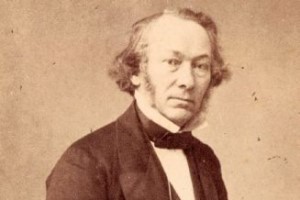
Charles Barry was born and raised in Westminster, right by the site of the iconic Palace he would later go on to design. He was a talented artist from a young age, and at 15 years old he was taken on by a firm of surveyors.
After travelling in Europe and the Middle East as a young man, Barry returned to the UK and began work as an architect. He won several architectural competitions to design new churches, and to rebuild King Edward VI’s Grammar School in Birmingham (now demolished). It was here that Barry first met and worked with Pugin, and sculptor John Thomas. All three men would later work on the new Palace of Westminster. It was also in Birmingham that Barry developed his non-ecclesiastical Gothic Revival style.

Charles Barry was born and raised in Westminster, right by the site of the iconic Palace he would later go on to design. He was a talented artist from a young age, and at 15 years old he was taken on by a firm of surveyors.

After travelling in Europe and the Middle East as a young man, Barry returned to the UK and began work as an architect. He won several architectural competitions to design new churches, and to rebuild King Edward VI’s Grammar School in Birmingham (now demolished). It was here that Barry first met and worked with Pugin, and sculptor John Thomas. All three men would later work on the new Palace of Westminster. It was also in Birmingham that Barry developed his non-ecclesiastical Gothic Revival style.
After travelling in Europe and the Middle East as a young man, Barry returned to the UK and began work as an architect. He won several architectural competitions to design new churches, and to rebuild King Edward VI’s Grammar School in Birmingham (now demolished). It was here that Barry first met and worked with Pugin, and sculptor John Thomas. All three men would later work on the new Palace of Westminster. It was also in Birmingham that Barry developed his non-ecclesiastical Gothic Revival style.
After travelling in Europe and the Middle East as a young man, Barry returned to the UK and began work as an architect. He won several architectural competitions to design new churches, and to rebuild King Edward VI’s Grammar School in Birmingham (now demolished). It was here that Barry first met and worked with Pugin, and sculptor John Thomas. All three men would later work on the new Palace of Westminster. It was also in Birmingham that Barry developed his non-ecclesiastical Gothic Revival style.