Cecil Bisshopp of Parham
The Parham Estate near Pulborough, West Sussex, was home to the Bisshopp family for eleven generations. In 1601, Thomas Bisshopp of Henfield purchased the house from Thomas Palmer, whose grandfather was granted the land by Henry VIII following the Dissolution of the Monasteries in 1540. Parham remained with the Bisshopp family until 1922, when it was sold to the Hon. Clive and Alicia Pearson.
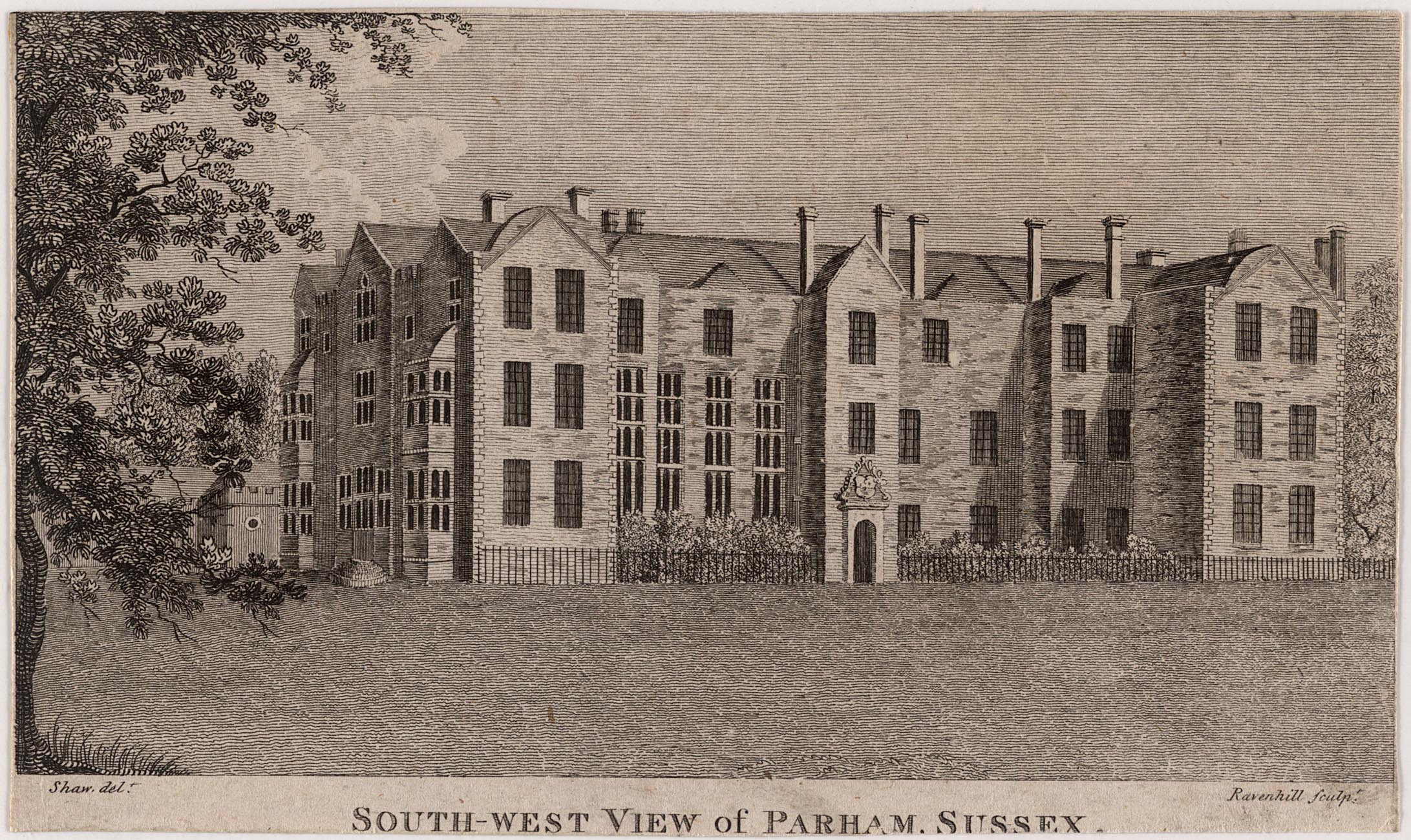
Thomas Bisshopp was knighted by James I in 1603, and in 1620 the Bisshopp Baronetcy of Parham was created for him. The title passed down through the family until 1870, when it became extinct following the death of the 12th Baronet in 1870.
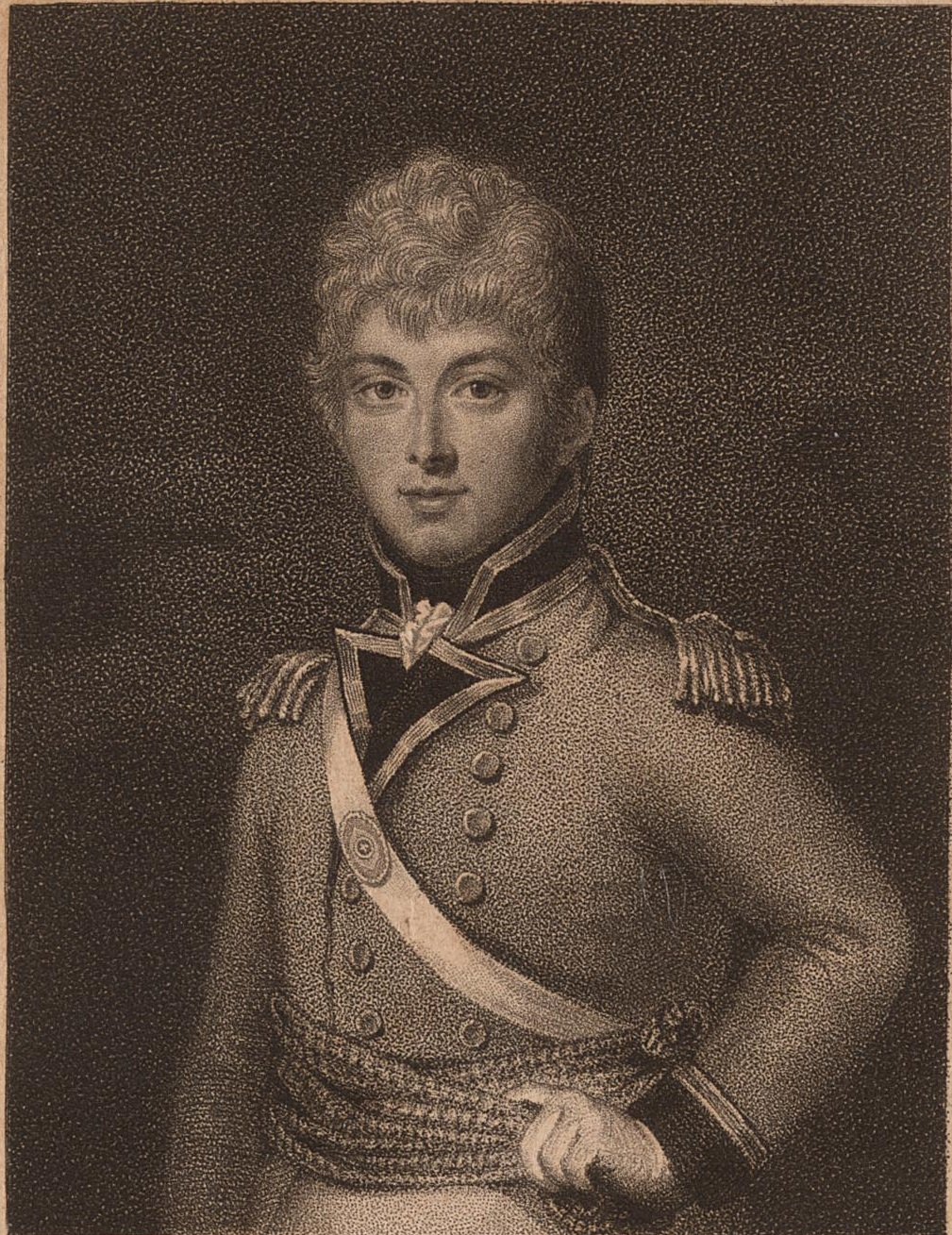
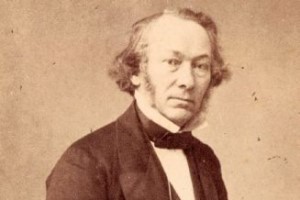
Cecil Bisshopp (1783-1813) was the eldest child of the 8th Baronet, Sir Cecil Bisshopp (1752-1828) and heir to the estate and title. He had a younger brother Charles, born c1784, and sisters Harriett Anne (b 1787) and Katherine Annabella (b 1791). Cecil appears to have been educated at Eton College. Whilst his brother Charles was set for a naval career, becoming a midshipman at the age of thirteen under Admiral Sir John Borlase Warren, Cecil prepared to enter the military. He attended the Royal Military Academy in Woolwich, and in 1799, he was commissioned ensign (the most junior rank) in the First Regiment of Foot Guards. He remained with the regiment, but in 1802 was seconded to Russia, where Sir John Borlase Warren had been appointed as ambassador to the Tsar in St Petersburg. He left Russia in 1803 and returned to the guards as Captain in the 47th Regiment. In 1805 he married Lady Charlotte Townsend, the daughter of George, Earl of Leicester.
The marriage appeared happy, and the couple spend time living in London, and later near Shrewsbury where Cecil was occupied in recruiting for his regiment – an essential task during Britain’s ongoing war with Napoleon in Europe. The following year, they leased Holmbush House near Faygate, Sussex, with further plans to find a more permanent home in the county. Tragically this was not to be, as Charlotte became seriously ill in 1807 with scarlet fever, dying on 5th October of that year. The funeral took place at Parham. Further sorrow hit the Bishop family the following year, when Cecil’s brother Charles died of yellow fever whilst serving on the HMS Muros in Jamaica.
In October 1808, the widowed Cecil set out for Spain, where British, Spanish and Portuguese troops united against the invasion of Napoleonic France. A year later, he served as aide-de-camp to General Grosvenor in the unsuccessful Walcheren Campaign to the Netherlands. He then returned to England later in 1809, where he remained for around two years without an army posting. Like his father (who was MP for New Shoreham, 1780-1790; 1796-1806) Cecil became involved in local politics, and in 1811 was elected as MP for Newport on the Isle of Wight. In June of that year, however, he headed again for Spain, for the position of aide-de-camp to Sir Arthur Wellesley, later the Duke of Wellington. In the event, he ended up serving a General Hulse and was again back in England in early 1812.
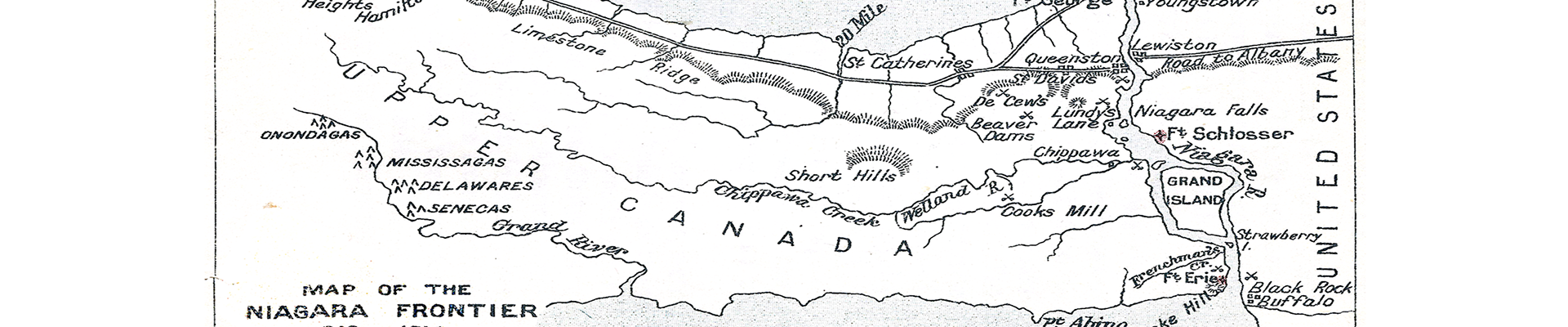
It was in June of that year that the United States, under President James Madison, declared war on Britain. Cecil Bishop was appointed as an Inspecting Field Officer of the Militia, with the rank of Lieutenant-Colonel. In August 1812, Cecil embarked with his regiment for Canada.
I go to Parham tomorrow, & on Wednesday, if the Wind [is fair] the Convoy sails for Quebec…
Cecil Bisshopp to his sister, Harriett Curzon, 3rd August 1812; WSRO Ref. Parham 2/3/2/5